Ceramic Floors

Ceramic Flooring

Ceramic tile has been around for centuries, and modern manufacturers have created a plethora of new design and application possibilities. The wide selection of colors, sizes, shapes, and textures that are now available can seem almost overwhelming.

Ceramic tile is a natural product made of clay, a number of other naturally occurring minerals, and water. Glazed ceramic tile has a ceramic coating applied to the tile body, which gives the tile its color and finish. It’s a popular choice for interior floors and walls and offers unlimited decorating possibilities.

Installation

Installing ceramic tile is usually a 3-step process.

1. Installation of Substrate

Substrate is the foundation on which the floor is placed. This stage of the installation is very important, as the substrate is the base on which your tiles are going to rest for years to come. It is as imperative as the quality of the tiles themselves.

There are many different types of substrate, each having its advantage in certain installations, some of the most common being:

Plywood – minimum thickness of 5/8”. This process can involve removing or covering the existing floor.

Cementboard (CBU) – sheets of aggregated cementboard strengthened with fiberglass mesh. These sheets are then placed in mortar on top of the existing floor.

Mud (Mortar Bed) – This method covers the existing floor with mortar, followed by asphalt sheathing paper.

2. Setting of Tiles

Once the Substrate is set, the tiles are ready to be set. Mortar is placed on the Substrate and the tiles are set in a pattern of your choice. Tiles may have to be cut in order to fit into tight spaces.

3. Grouting

This is the finishing touch of the job. Grouting is placed to even out all of the cracks and fill in any fixtures. There will be a coat of grout over the tiles for 6-8 hours, after which it can be cleaned off.

Top

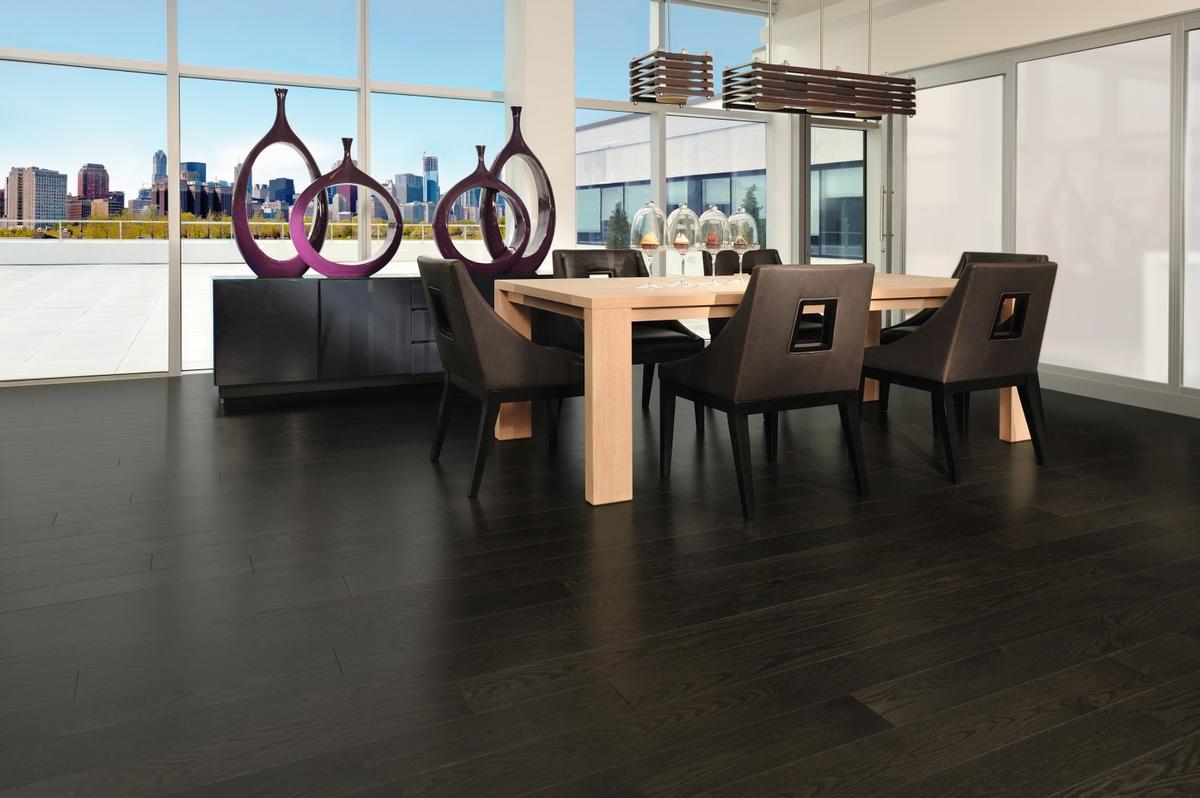
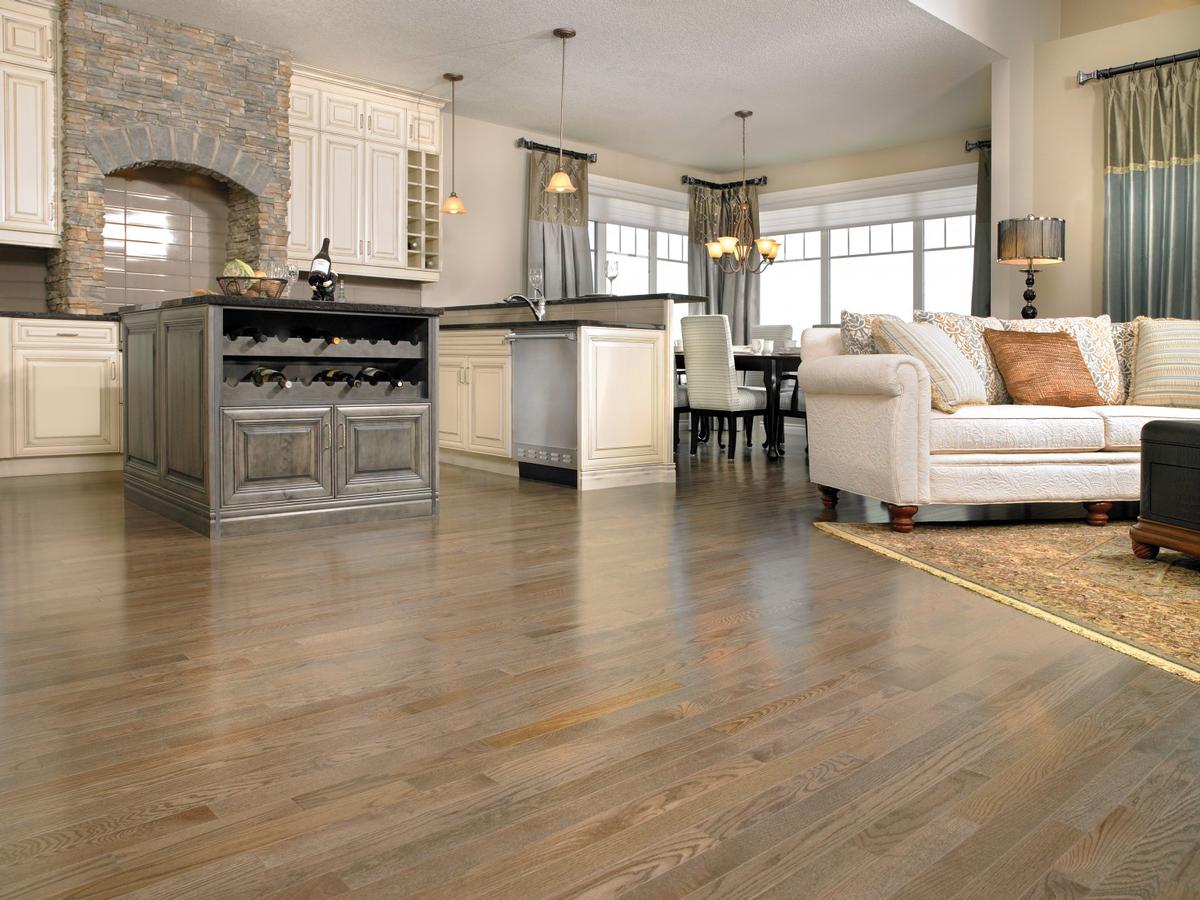
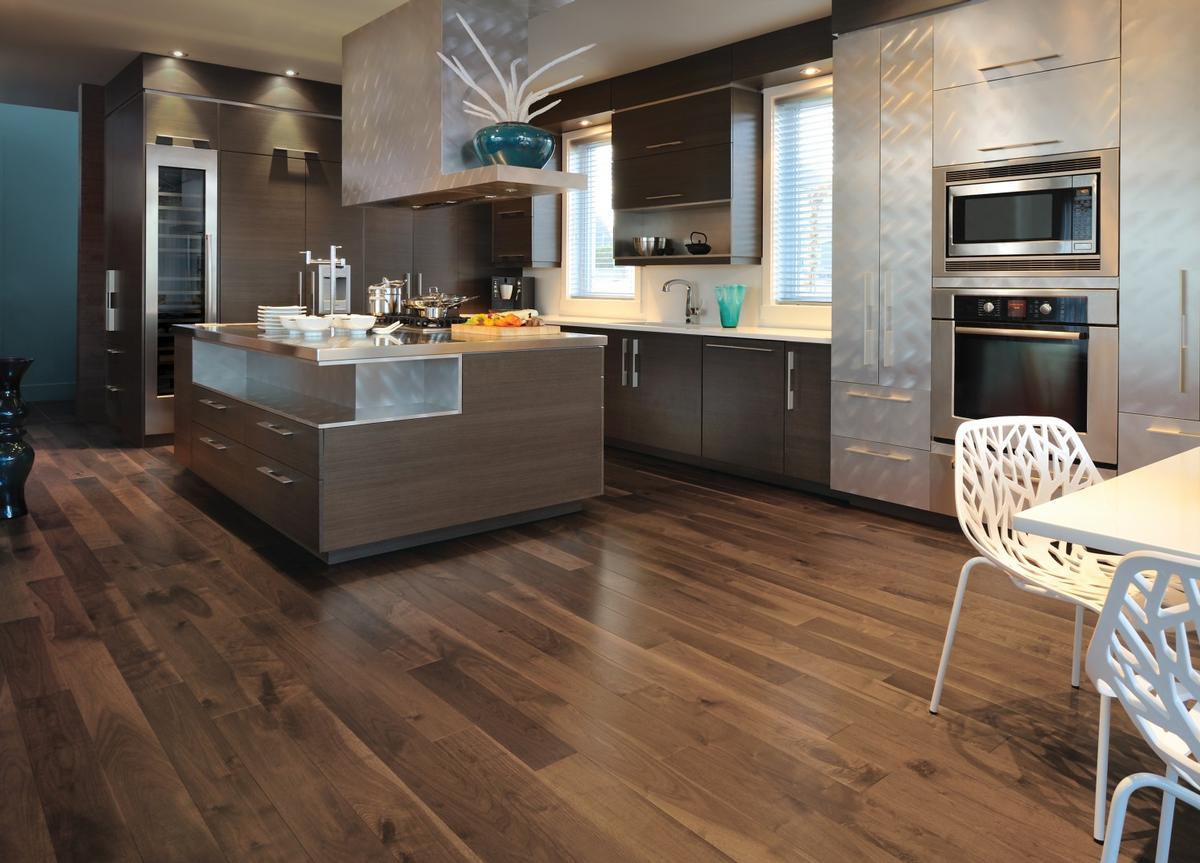
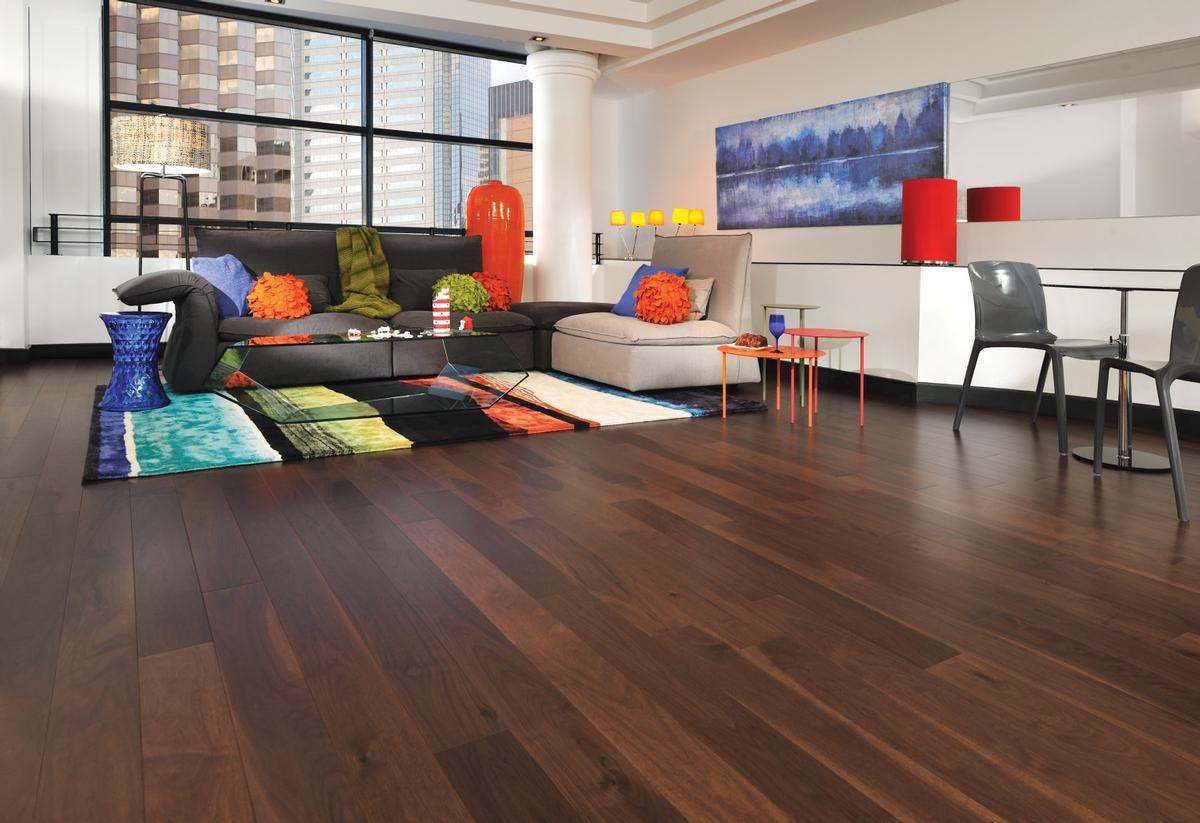
Ceramic tiles offer many options for your home – and since ceramic is not limited to the floor, the possibilities are endless! We encourage you to have fun and enjoy the exciting decision making process with us. We offer a variety of sizes, patterns, and textures that are sure to make an impact. Exploring different options and designs can be a useful activity when trying to decide on your own style. If you need any assistance, our expert staff will be more than happy to provide you with information, samples, and personal experience to make your choices easier. Browse through the gallery below and see a few examples of what ceramic could do for your space!

Top

General Care

Ceramic tile requires minimal floor care compared to most other flooring types. However, there steps required to maintain the beauty of a ceramic tile floor.

Wash Regularly

Wash the floor regularly to remove any dirt or grit. Use a mild, diluted household detergent solution. Regular cleaning will help in the prevention of stains and abrasions. After washing with a mild detergent, thoroughly rinse the floor with clean, warm water every time.

Vacuum Regularly

Sweep, or vacuum your glazed tile regularly. This will help remove larger particles of dirt that could scratch and damage your tiles.

Wipe Spills Immediately

Liquids spills may be wiped up with an all-purpose household cleaner. This will also help the grout joints from becoming discolored from possible stains.

Avoid Ammonia-based Cleaners

Ammonia-based cleaners may discolor some types of colored grout.

Never Wax a Tile

The glazed ceramic finish should never be waxed.

Grout Sealers

Grout joints should be treated with a silicone grout sealer twice a year to help preserve the grout color and to prevent discoloration from spills.

Top

Classifications

The following classifications are from the Porcelain Enamel Institute, which classifies tile floors based on hardness; wear resistance, impact resistance, adhesion, and flexibility.

Class One

Suitable for residential bathrooms with light foot traffic. Generally wall tile products fall into this group. Some wall tiles can be used on the floor. Consult the manufacturer of the tile for their recommended areas of application.

Class Two

Can be used in residential areas, but not areas with high foot traffic, such as in kitchens, foyers, and laundry rooms.

Class Three

Tiles that are recommended for all residential installations with normal foot traffic.

Class Four

Tiles that are suited for light to medium commercial environments, such as office buildings or sales rooms.

Class Five

Used in heavy commercial traffic areas and are suited for exterior areas, shopping centers, airports, hotel lobbies, and public walkways.

Top

Colour & Design

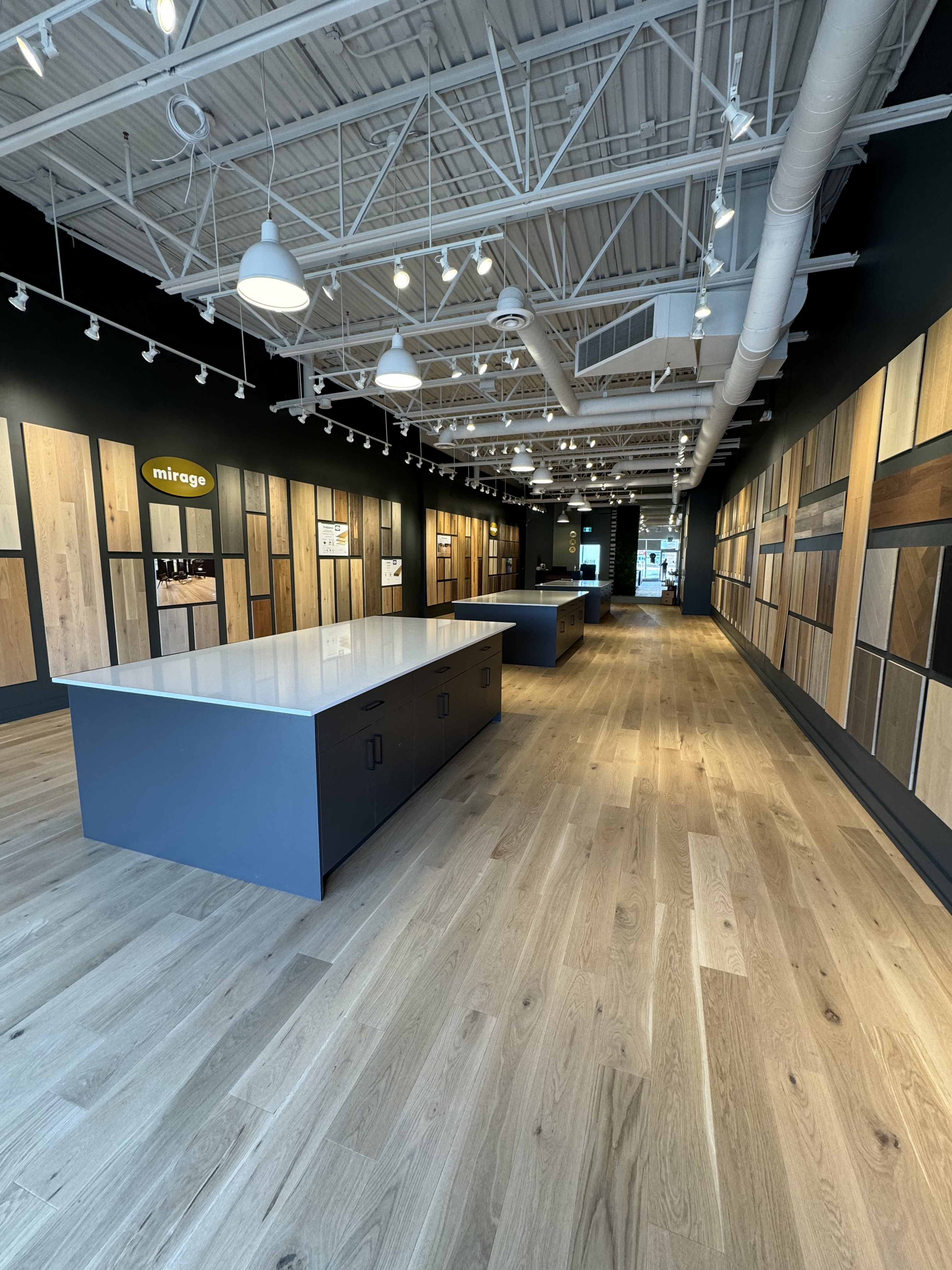
Barwood offers the largest selection of ceramic flooring colours and only the finest quality. Come in today and find the perfect fit for your home or speak to one of our experienced experts to find out what’s best for you. We’ve developed strong and lasting relationships with manufacturers and distributors and have secured exclusive rights to superb product lines. To see the full range of remarkable products we offer, visit our newly renovated showroom at 155 Colonnade Rd. South in Nepean. You won’t be disappointed.

Top

Manufacturers

Top
Inquiry

Contact

Feel free to contact us for more information on our products and services.