Hardwood Flooring

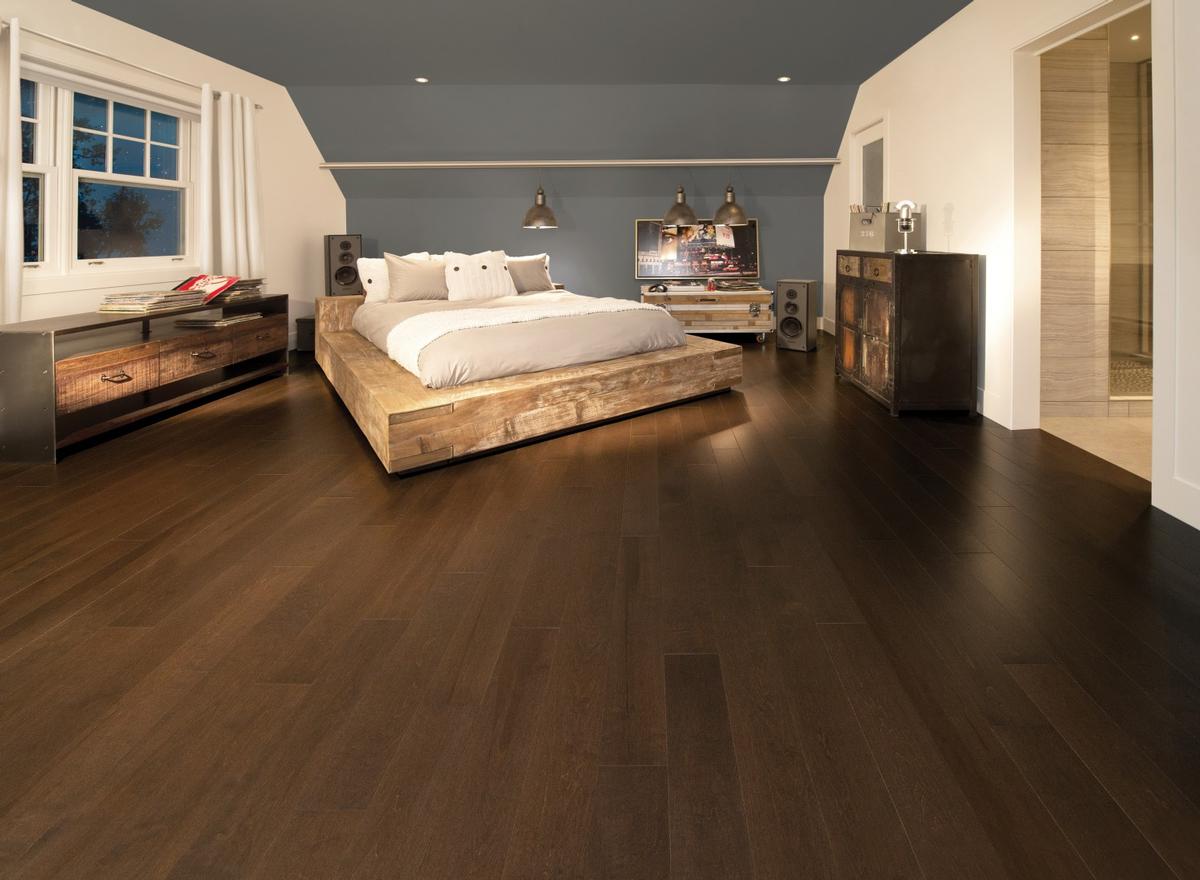
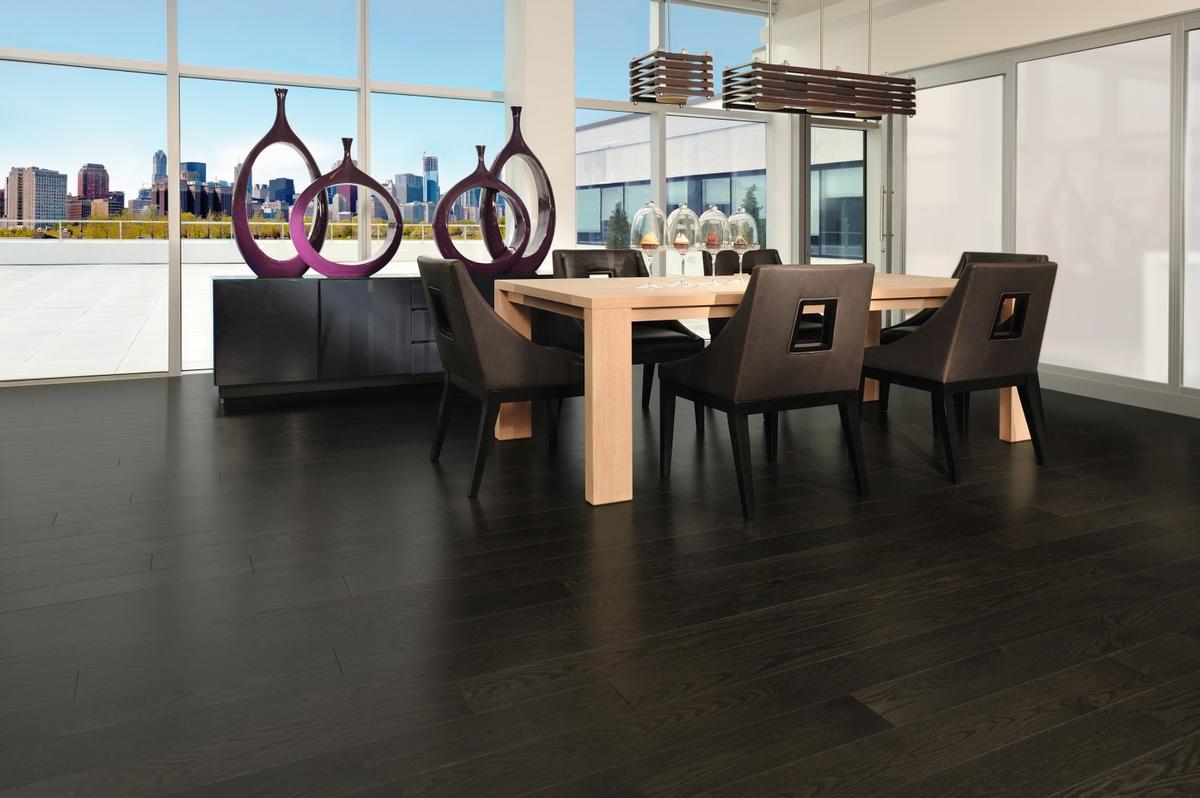
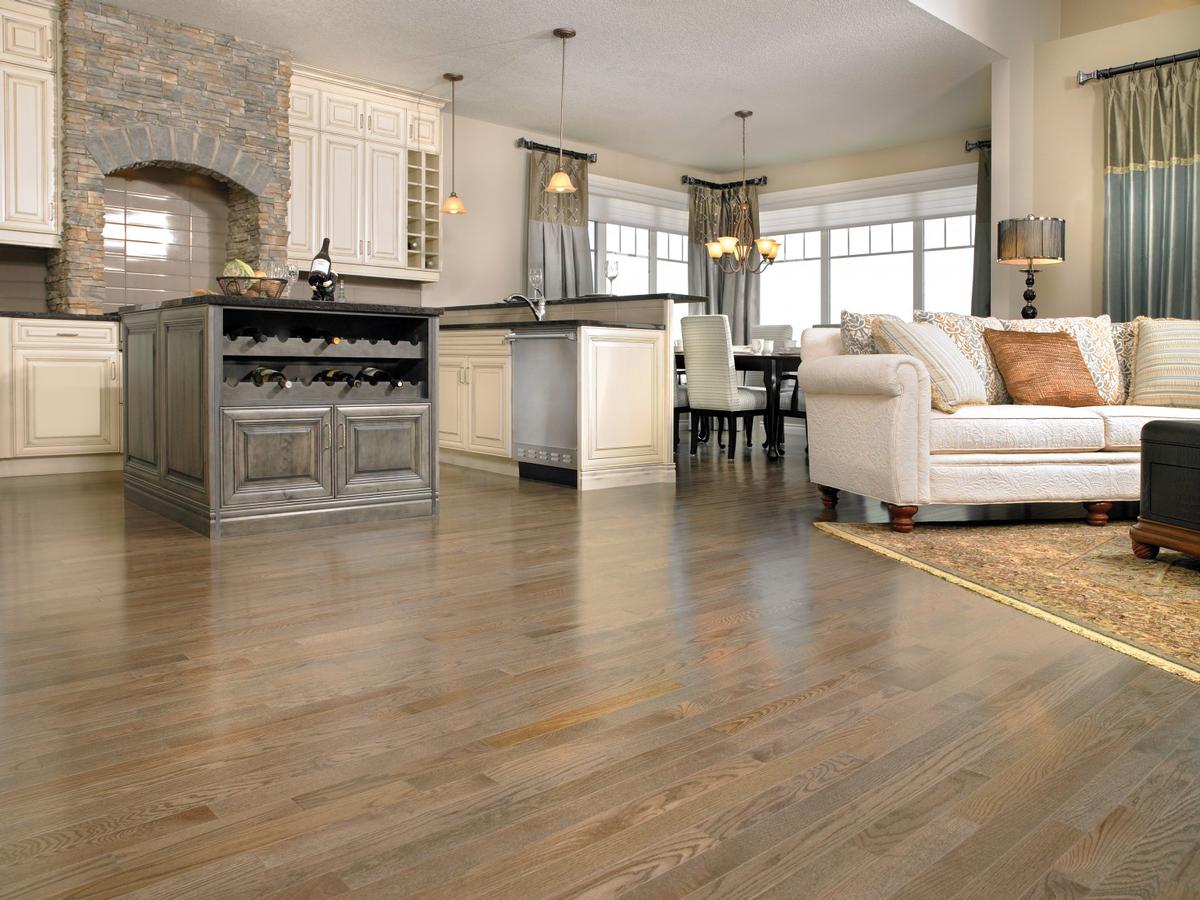
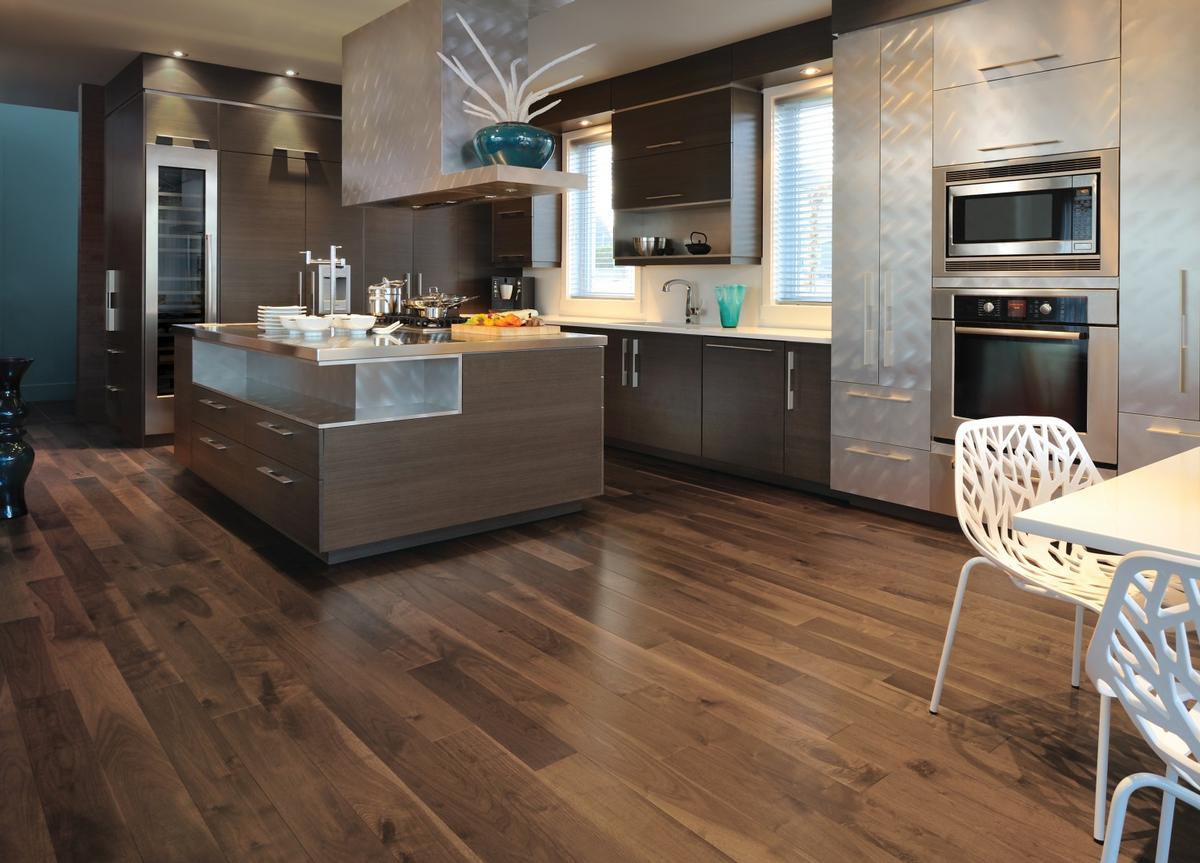
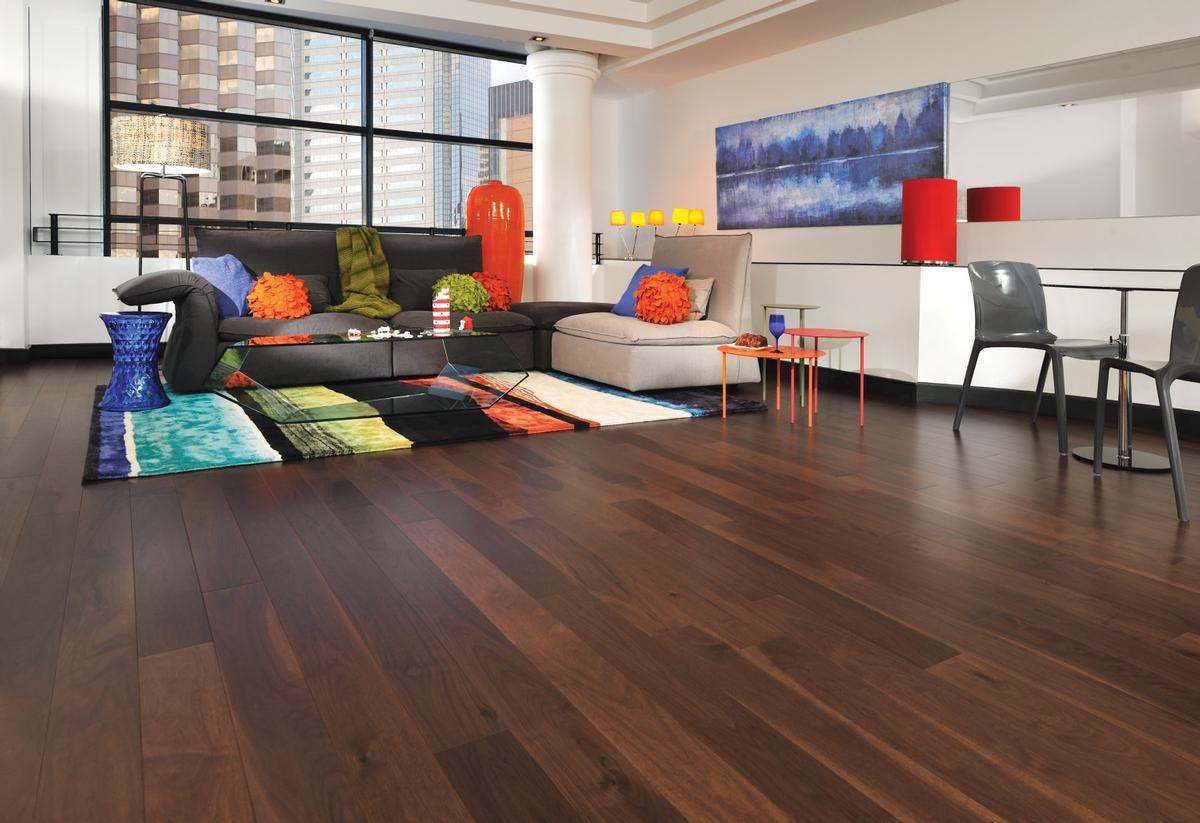
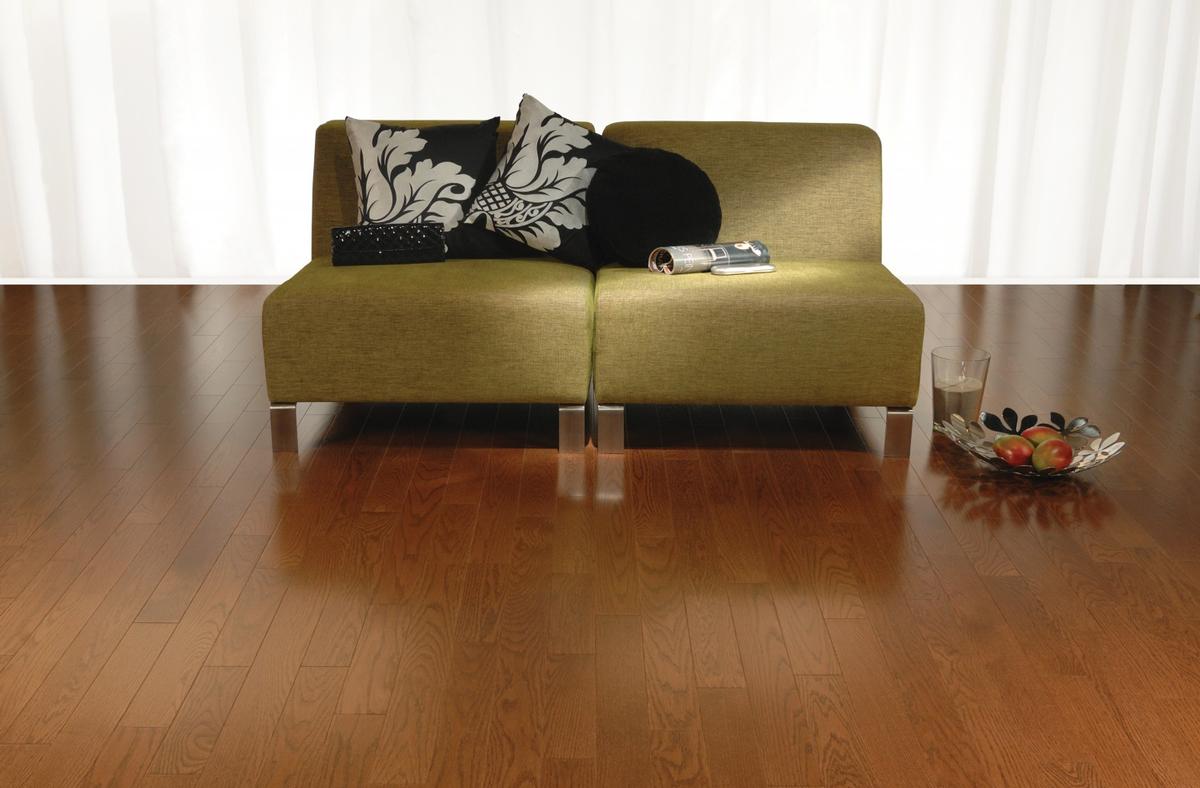
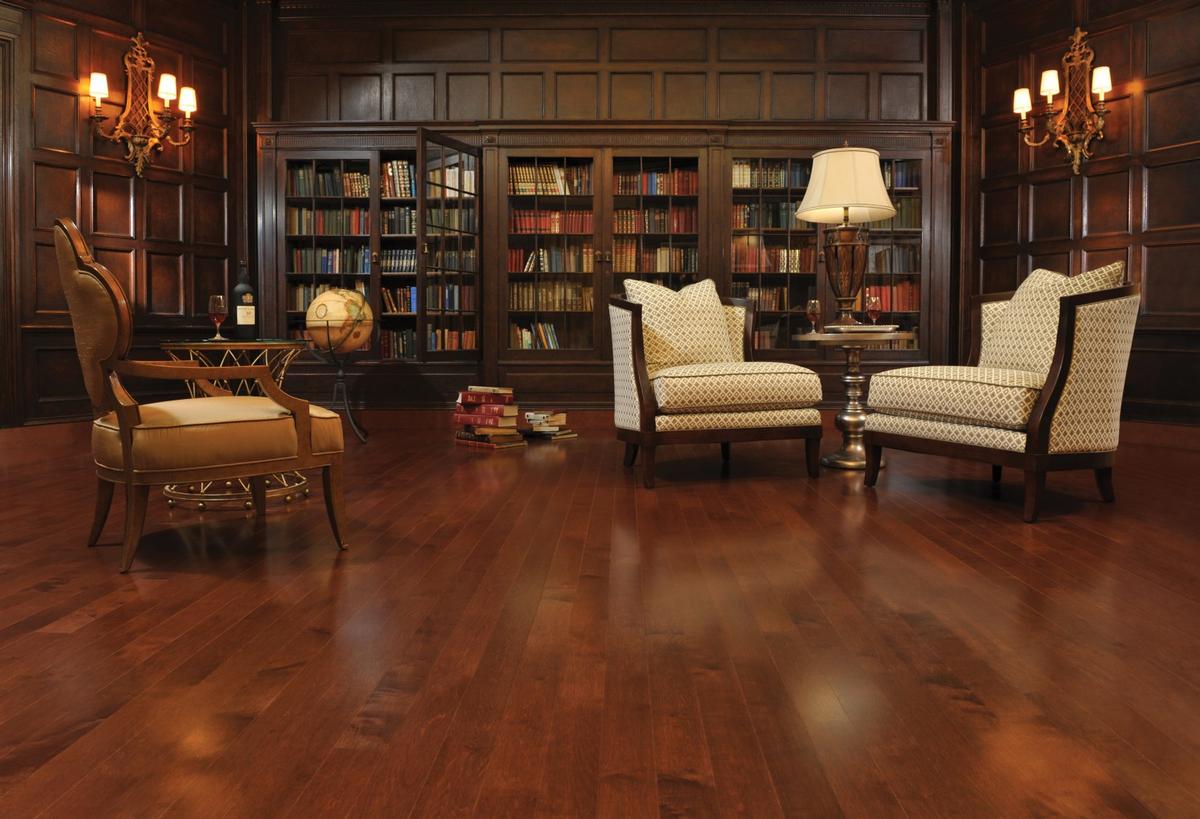
The elegant look of hardwood floors creates warmth and charm in any room. For centuries people have used wood floors as a way to make their home look richer and more comfortable.
With continued advancements in finishing technologies, today’s manufacturers of hardwood floors are able to produce tougher finishes and more stable products. This means quality engineered hardwood floors can go in almost any room in the home and over a wide variety of sub-floors, including dry, fully cured concrete slabs.
Hardwood flooring comes in a wide variety of wood groups. The most commonly used in North America are oak, maple, and ash. However many companies now offer a variety of exotic hardwood species from all over the world.
Wood Stains
When it comes to cleaning and staining your hardwood floor, the options seem almost endless. There are different colours, textures, and types of finishes. Finishes create lasting splendor and require minimal care. The right finish protects wood flooring from wear, dirt, and moisture, while giving the wood an attractive color and sheen. Most wood floors are finished with a stain and a topcoat. Here is a sample of what Barwood has to offer.
Top
Wood Pattern
Hardwood floors reflect an homeowner’s personal style and taste, while instilling a sense of pride in ownership like no other type of flooring. Hardwood flooring is not only a decorative flooring product, it is a sound investment that will continue to appreciate and won’t have to be replaced after just four or five years. Barwood Flooring offers many hardwood design possibilities. We feature the widest assortment of colors, styles, and patterns available. Our seasoned staff will help you find the perfect design for your home.
Top
Custom Design
Custom designs can be used to create unique focal points and enhance any room. Whether you are creating a stunning entrance way, a games room, or even a library with your own custom inlay, hardwood is a superb choice to embellish any design.
By installing hardwood in various patterns and shapes, the Barwood Flooring professionals will use their full repertoire of design experience to ensure that your room is a true reflection of your home’s decor and style.
Top
Gallery
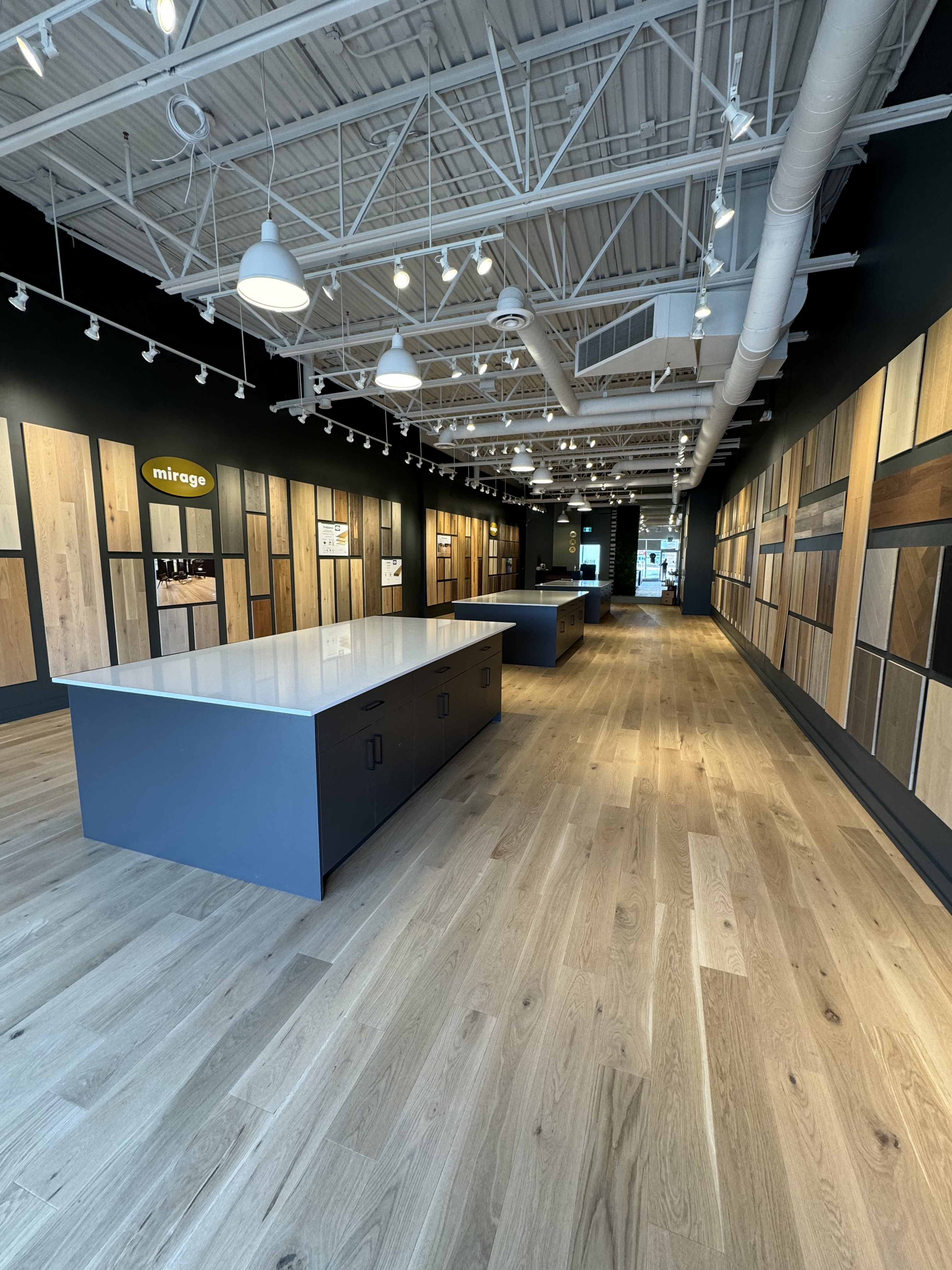
When choosing hardwood flooring for your home, there are many options. The type of wood, stain, and pattern, are just a few of the elements that you’ll have to consider. Whether you’re looking for a traditional design, or something more modern, we’ll have what you’re looking for. Our friendly staff can help you decide on the perfect flooring for your home. Take a look below to become more familiar with our work and the endless possibilities of hardwood flooring. Remember: for a full range of products and possibilities, stop by one of our fully-stocked locations.
Top
Installation
There are five main ways to install hardwood floors. They are:
Nail Down
An installation style generally used with 3/4″ solid products, there are attachments you can purchase for thinner flooring. 2″ nailing cleats are used with a wood flooring nailer and mallet to attach the flooring to the subfloor. Solid strip floors or plank floors can only be installed on wooden subfloors that are on grade or above grade.
Staple Down
The staple-down installation procedure is easier to do than the nail down for do-it-yourself installations. A pneumatic staple gun is used to drive staples through the tongue of the wood planks and into the wood subfloor underneath. Staples are used instead of nailing cleats to secure the hardwood flooring to the wood subfloor.
Glue Down
Glue-down installation of engineered hardwood floors can be done over wood type subfloors and concrete slabs. Wood planks are simply glued directly onto the subfloor. The recommended adhesive is spread onto the subfloor using a proper sized trowel and then the planks are set into the adhesive.
Glueless
Some hardwood flooring manufactures recently introduced engineered hardwood floors with a glueless locking system. These floors are meant to float on a variety of sub floors such as wood, concrete slabs, and even some types of existing floors.
Solid wood strip floors and solid wood plank floors can only be nailed or stapled.
Floating
With the floating installation method, the floor is not mechanically fastened to any part of the subfloor. There is a thin pad that is placed between the wood flooring and the subfloor. Wood glue is applied in the tongue and groove of each plank to hold the planks together. This is a very fast, easy, and clean method of installation. Please consult the manufacturer installation instructions to see if your flooring can be floated.
Barwood will happily install flooring any way you like. With over 40 years experience in the business, we know how to do what’s right for you.
Top
Care
Hardwood Floor Care
Regardless of its finish, your floor will quickly lose its luster if exposed to water. More serious damage is also possible, including warping and other problems. Wipe up any spills immediately with a soft, dry cloth, starting at the edges of the spill and working your way toward the center. Don’t let water stand on your floor, and never use wet cloths for clean up. Do not mop sealed-and-waxed floors, even with a mop that’s slightly damp.
Dirt and Dust
Dirt, dust, and grit can also damage your hardwood floor. Tracking dirt, dust, and grit can dull its finish and cause scratches that can only be repaired by refinishing the floor. Sweep your floors regularly. Invest in a good broom that features exploded tips that trap dust and dirt, as apposed to simply spreading it around. Dust mops can also be helpful in keeping dirt, dust, and grit under control.
Vacuuming and Carpets
Vacuum frequently, using a canister vacuum with special hardwood floor attachments. Never use an upright vacuum with beater bars. They can cause dents in your floor’s finish. Use doormats at the entrances of your home to help trap dirt and grit. Clean them regularly. Use area rugs or small sections of carpet placed inside doorways and in areas like kitchens where spills are likely to occur. Don’t use throw rugs with rubber or vinyl backing without first determining wether they will affect your floor’s finish. Some materials in the backing can react with certain floor finishes, discoloring or causing the finish to become dull. Don’t let even damp throw or scatter rugs sit on the floor. Check the rugs frequently and make sure damp rugs are removed.
Furniture and Casters
Place glides made of felt or some other fabric under the legs of furniture to prevent scratches. Clean the glides regularly to ensure that dust and grit do not become embedded. Use barrel-type casters instead of ball casters to prevent dents. Use non-marking rubber casters instead of plastic or metal. Lift furniture when moving it to avoid scratches in the floor’s surface.
Shoes
Make sure there are no exposed nails or metal heel supports on shoes that could scratch or dent the floor. Check shoes with soles that have deep treads to ensure that any trapped dirt or gravel won’t scratch or dent the floor. Be aware that high heels can dent a hardwood floor.
Top